
D2C Finance Apps That Simplify Accounting and Cash Flow

Ever wonder why so many D2C brands hit big in sales but sometimes struggle to stay afloat?
In fact, 70–85% of direct-to-consumer brands don’t make it past their third year. And among those that fail, 32% run out of cash while chasing aggressive growth. Many of these brands were selling well; what they didn’t have was visibility. You can be selling well and still have no clear picture of your profits, margins, or cash flow.
This is where D2C finance apps come in. They’re not just software; they’re tools that help you automate bookkeeping, unify sales and payment data, track profitability, and forecast cash flow, all without getting lost in spreadsheets.
In this guide, we’ll break down the best D2C finance apps that simplify accounting and cash flow, why they matter at different stages of growth, and how to pick the right ones for your business. With the right setup, you can actually turn financial clarity into confident, sustainable growth.
TL;DR – List of Best D2C Finance Apps
If you just want the quick scoop on the best D2C finance apps without the deep dive, here’s a list of the top tools trusted by growing brands:
- CFO Expertise
- QuickBooks Online
- Xero
- Zoho Books
- Wave
- Triple Whale
- StoreHero
- Conjura
- Stripe
- PayPal
- Shopify Payments
- TaxJar
- Avalara

What are D2C Finance Apps and Why They Matter?
When we say D2C finance apps for ecommerce brands, we’re talking about software that gives founders real visibility and control over their money, without wrangling spreadsheets or stitching together data from half a dozen systems.
Basically, D2C finance apps are one form of digital platforms that are built to help Direct‑to‑Consumer brands track, manage, and forecast their financial performance. They generally sit between your sales engines (like Shopify, Amazon, WooCommerce) and your backend accounting or reporting systems, to turn those raw transaction data into meaningful financial insights.
So, why do these apps matter so much for D2C brands?
- They simplify cash flow management: Automate tracking of sales, payouts, and expenses so you always know where your money is.
- They reduce manual work and errors: They do so by reconciling transactions, handling bookkeeping, and centralizing data without endless spreadsheets.
- They provide actionable insights: Using those apps, you can analyze margins, ad spend, inventory costs, and profitability to make smarter business decisions.
- They enable growth and agility: Real-time visibility allows founders to make confident decisions about marketing budgets, product launches, or expansion plans.
For ecommerce founders, they’re a critical tool for scaling efficiently, staying financially healthy, and making decisions based on facts rather than guesswork. When paired with strategic guidance, such as fractional CFO support, these apps become a powerful engine for profitable growth and long-term success.
Essential Categories of D2C Finance Apps
When you look at the ecosystem of D2C finance apps, it helps to break them into clear categories based on the problem they solve. Each category plays a role in giving founders better visibility, automation, and control over their money, which is exactly what fast‑growing ecommerce brands need.
Below are the core categories worth understanding:
Accounting and Bookkeeping Tools
Finance apps are specific tools that are the core of your finance stack.
They pull data from platforms like Shopify and Amazon, as well as payment processors and bank accounts, and turn them into clean financial statements. When you set it up properly, they help reduce errors, save time, and give you a reliable view of what your margins are and expenses as well, not just revenue.
Cash Flow and Profit Analytics
Your revenue might look great, but you’ll find that your cash is draining in the background.
With cash flow and profit analytics tools, you can get a clear idea about what’s actually driving profitability by breaking down product margins, ad spend, fulfillment costs, and cash timing. This is where founders start to see why growth feels stressful even when sales are up.
Payment and Revenue Management
Most D2C brands use various payment gateways, and they’re mostly subscription- or installment-based.
With the help of payment and revenue management tools, you can track payouts, manage recurring revenue, and reconcile payments back to their respective orders. The level of clarity you’ll gain will make your spending plan easier, and you can also avoid any cash surprises.
Tax Automation and Compliance
As brands cross their states or market borders, tax complexity is bound to increase.
Tax automation tools handle sales tax, VAT, and GST calculations and filings using transaction data, reducing risk and removing a major operational burden from the founder’s plate.
Forecasting and Financial Planning Tools
Financial forecasting tools help founders look ahead rather than react to current activities.
You need historical data to predict cash flow, future inventory needs, and spending scenarios. If you have an inventory-heavy business, this forward view is often the difference between controlled growth and constant cash pressure.
Integrations and Data Connectors
Behind the scenes, integrations are the reason that everything stays aligned.
These tools sync data between sales platforms, accounting systems, and reporting dashboards. When data flows cleanly, founders can trust their numbers and make decisions with confidence.
Best Accounting and Bookkeeping Apps for D2C Brands
As mentioned, accounting and bookkeeping apps are the backbone of the D2C finance stack. It’s where all transactions ultimately land, be it your revenue, inventory cost, ad spend, payroll, or fees.
Here are some of the best tools in the market:
QuickBooks Online
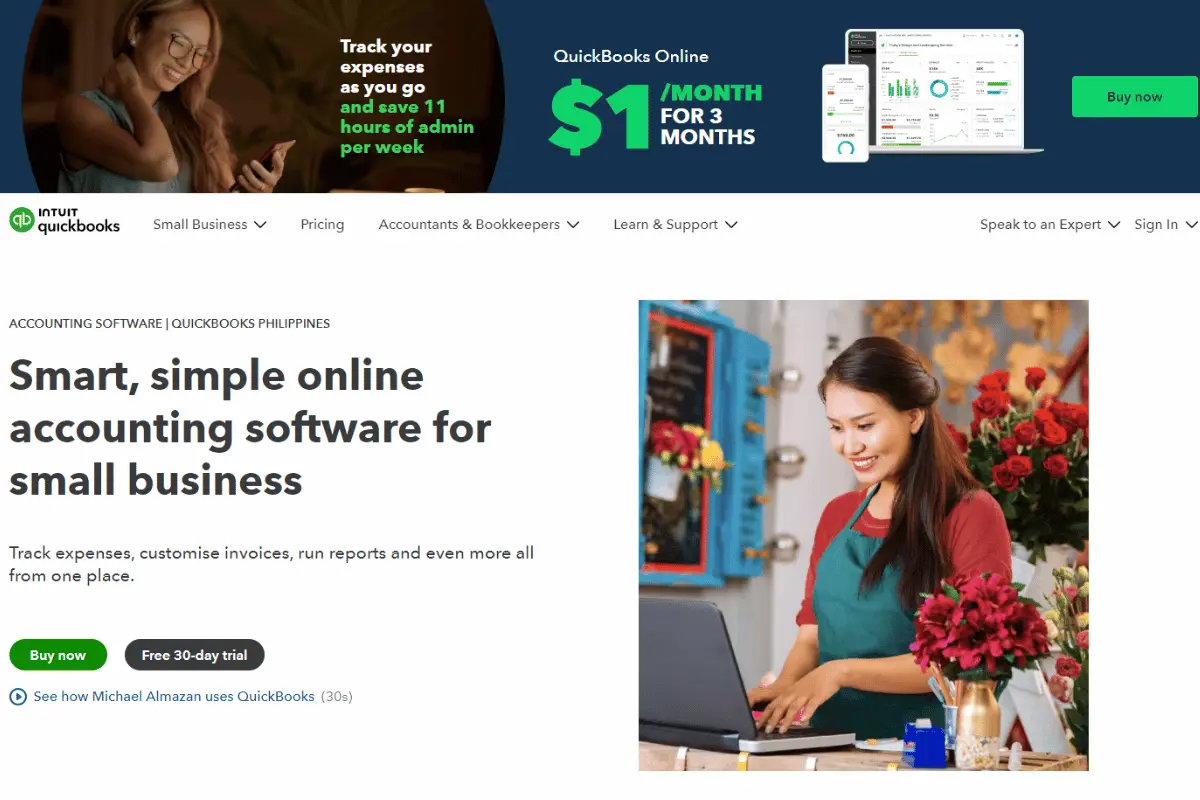
QuickBooks Online is the most widely used accounting platform for D2C brands, largely because of its flexibility and massive integration ecosystem.
When set up properly, QuickBooks can:
- Handle accrual accounting for inventory-based businesses.
- Track expenses, ad spend, and overhead in detail
- Integrate with Shopify, Amazon, Stripe, PayPal, payroll, and tax tools.
- Support monthly close processes and investor-ready reporting.
Where founders run into trouble is when they rely on its default setups. If the tool isn’t set up with ecommerce-specific account structures, you’ll find misstated margins, distorted monthly profits, and hidden cash flow issues.
Xero
Xero is a strong alternative for D2C brands seeking a cleaner interface and better team collaboration.
It can be useful for:
- Those brands with international operations or that deal with multiple currencies.
- Founders who have unlimited users and don’t want any added cost.
- Businesses planning multi-entity or cross-border structures
Xero works best when paired with ecommerce connectors and analytics tools. Like QuickBooks, its real value lies in using accrual accounting correctly and in structuring financial data around how D2C businesses actually operate.
Zoho Books
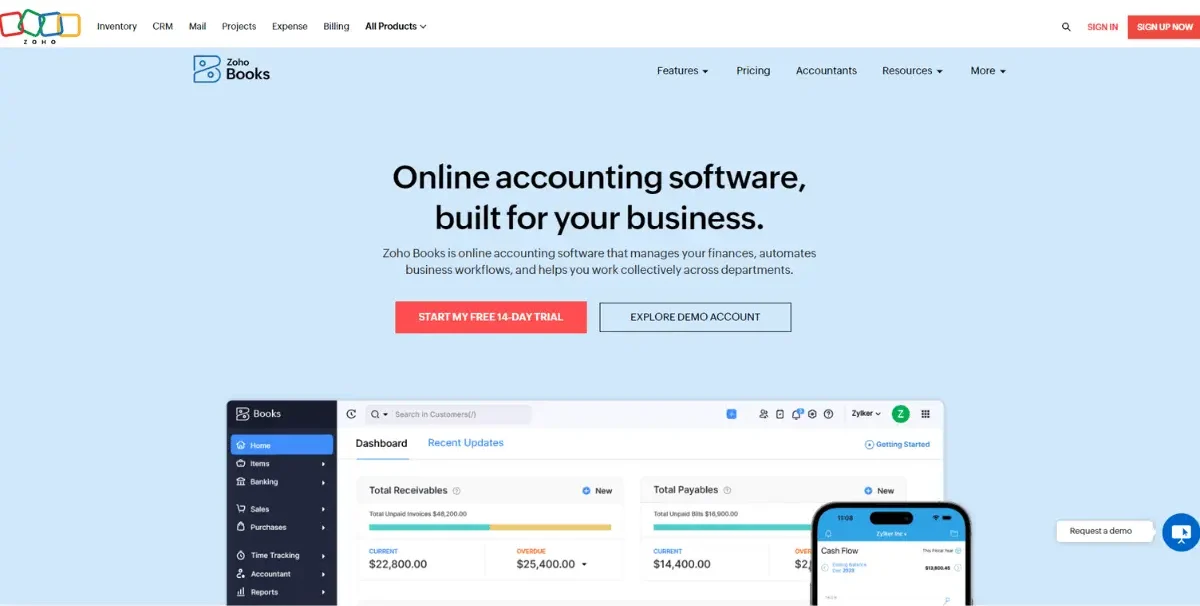
Zoho Books is a good fit for founders already in the Zoho ecosystem. It offers automation, invoicing, expense tracking, and tax features, as well as integrations with sales and operations tools.
If you’re someone with a simple D2C setup, it will work, but if you deal with complex inventory flows, heavy ad spend, or advanced reporting needs, you’ll often require additional layers for profitability and forecasting.
Wave
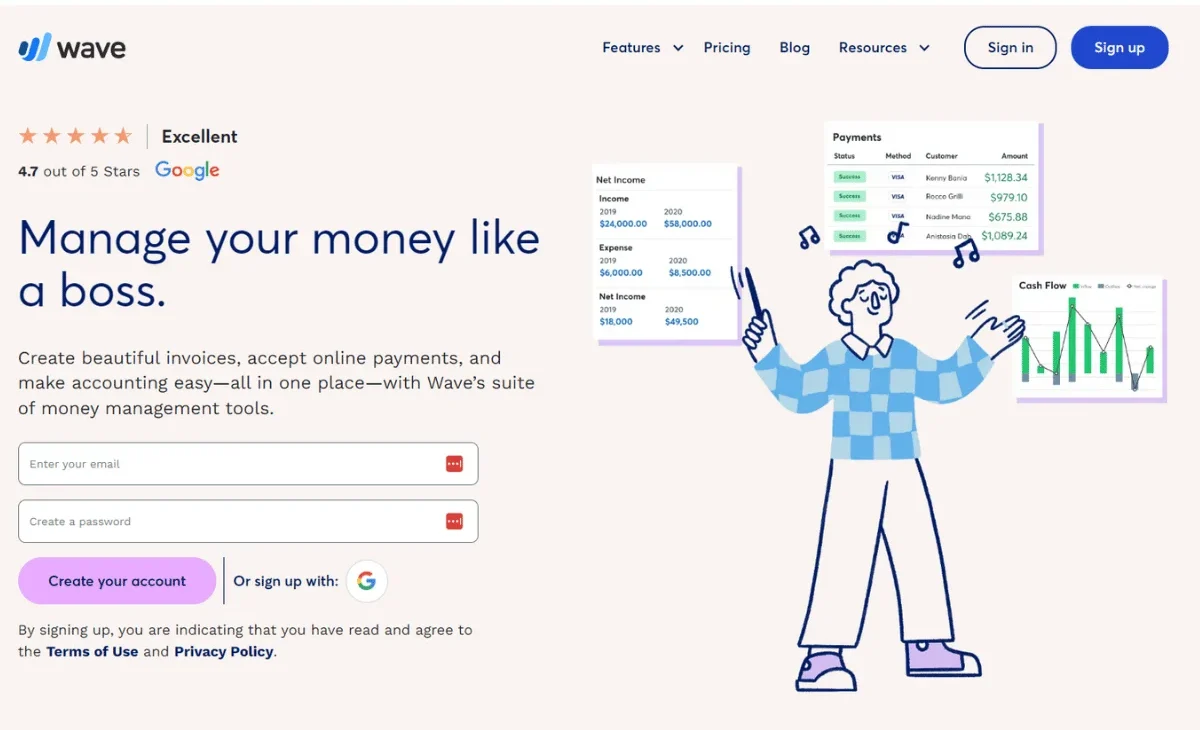
Wave is a free accounting option that works for very early-stage D2C brands.
It covers:
- Basic bookkeeping
- Expense tracking
- Invoicing and simple reports
For founders just getting started, it’s a reasonable entry point. That said, most brands outgrow Wave quickly once transaction volume increases, inventory becomes material, or forecasting and analytics become necessary.
These tools take care of the mechanics, but they don’t solve everything on their own. Plenty of D2C founders use the right software and still feel unsure about margins, inventory costs, or where cash is really going.
That’s usually where CFO Expertise comes in. We work with D2C brands as a fractional CFO, helping clean up accounting setup, close the books properly each month, and turn raw financial data into something you can actually use to make decisions.
If you already have accounting software but still don’t fully trust your numbers, book a consultation to get clarity.
Top Profit Analytics and Business Intelligence Tools
Revenue tells you how much you sold. Profit analytics tell you whether your business actually works.
These tools sit on top of your accounting and sales data to explain why performance is changing and where money is being made or lost:
Triple Whale
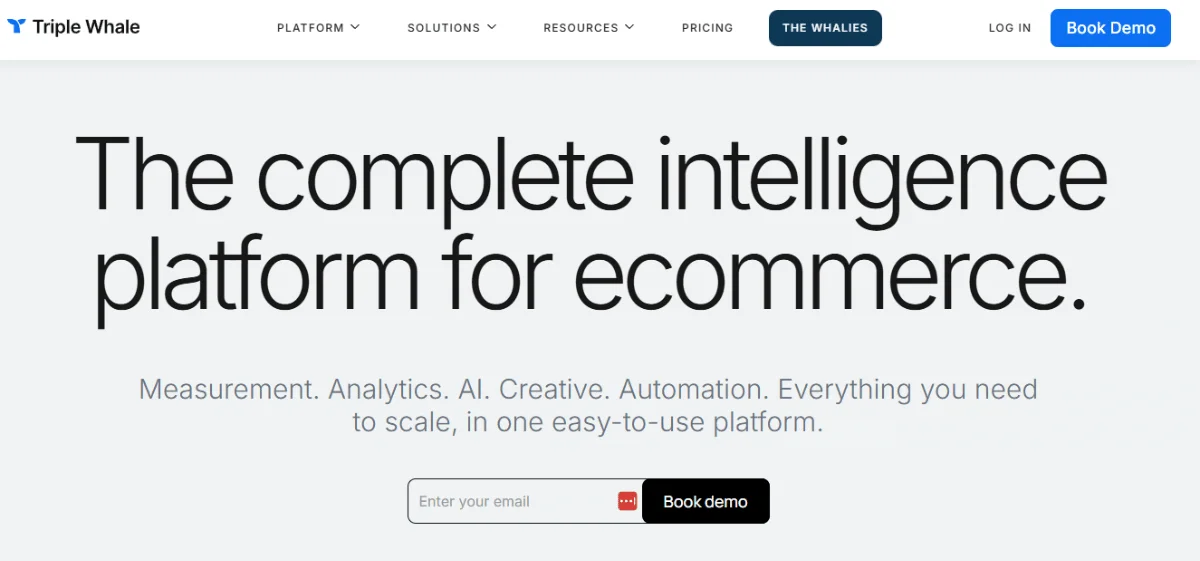
Triple Whale is one of the most popular analytics platforms among growth-stage D2C brands.
It pulls data from:
- Shopify and other storefronts
- Ad platforms such as Meta, Google, and TikTok
- Payment processors and subscriptions
With the help of Triple Whale, you can understand blended ROAS, channel-level performance, customer cohorts, and contribution margins. It’s especially useful for marketing-heavy brands that want clearer insight into how ad spend translates into profit, not just revenue.
StoreHero
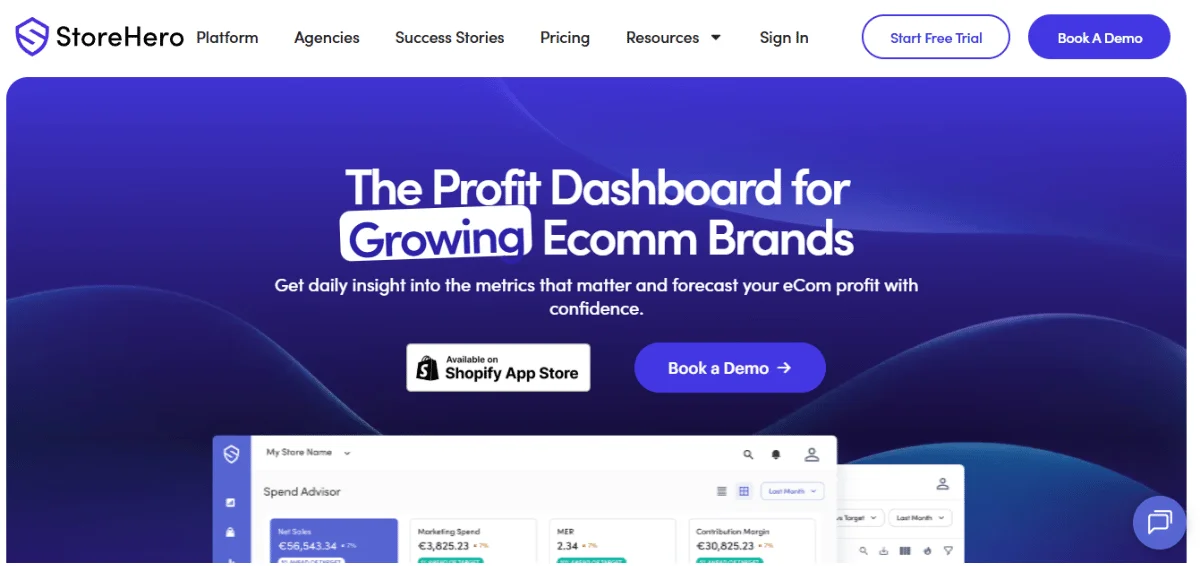
StoreHero focuses on profit-first ecommerce analytics.
It’s designed to answer questions like:
- Which products are actually profitable after ads, shipping, and fees?
- How do margins change as volume scales?
- Where is cash being tied up unnecessarily?
This level of insight is critical for pricing decisions, SKU rationalization, and inventory planning, areas where many D2C brands quietly lose money.
Conjura
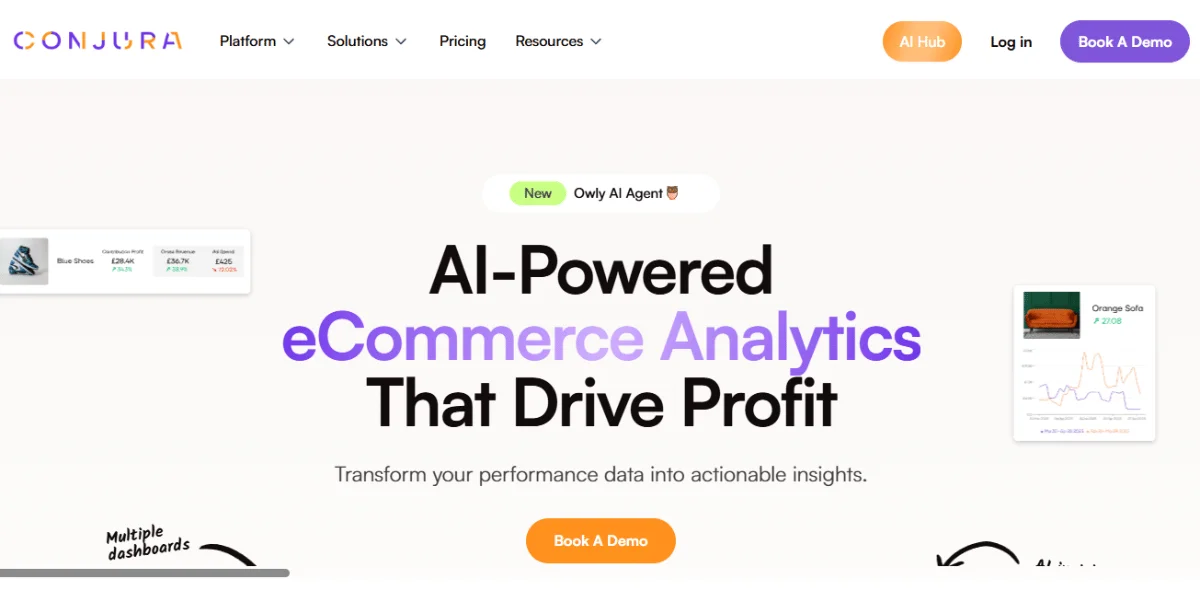
Conjura is a more advanced business intelligence platform built for strategic decision-making.
It’s best suited for:
- Mid-to-larger D2C brands
- Founders preparing for funding or acquisition
- Teams that want deep insights into customer behavior, lifetime value, and long-term profitability
Conjura goes beyond dashboards and supports scenario planning and long-term financial analysis.
Most Effective Payment Solutions for D2C
Payment platforms directly affect conversion rates, customer experience, and cash flow. They also influence how clean your accounting and reporting can be.
Below are the most commonly used payment solutions for D2C brands:
Stripe
Stripe is one of the most flexible payment platforms for D2C brands.
It supports:
- Global and multi-currency payments
- Subscriptions and recurring billing
- Installments and alternative payment methods
- Advanced reporting and developer customization
Stripe works particularly well for brands selling internationally or offering subscriptions, though fees and payout timing need to be monitored closely from a cash flow perspective.
PayPal
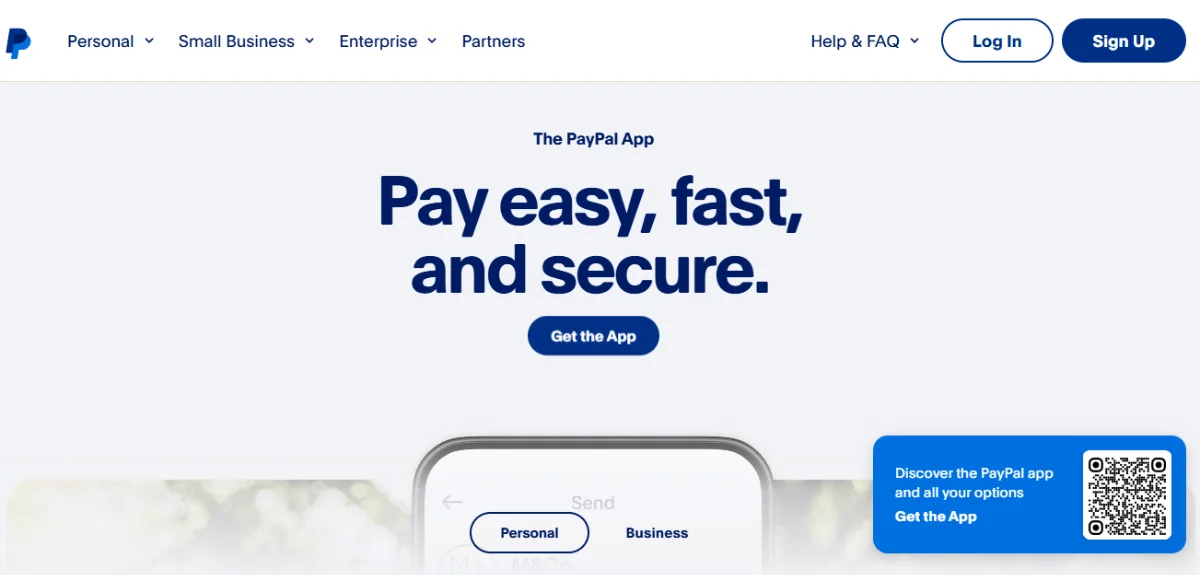
PayPal remains the most trusted option for all your international and cross-border customers.
It continuously improves the checkout trust and conversion, but founders should be mindful of:
- Higher transaction fees
- Disputes and chargeback management
- Payout reconciliation complexity
Shopify Payments
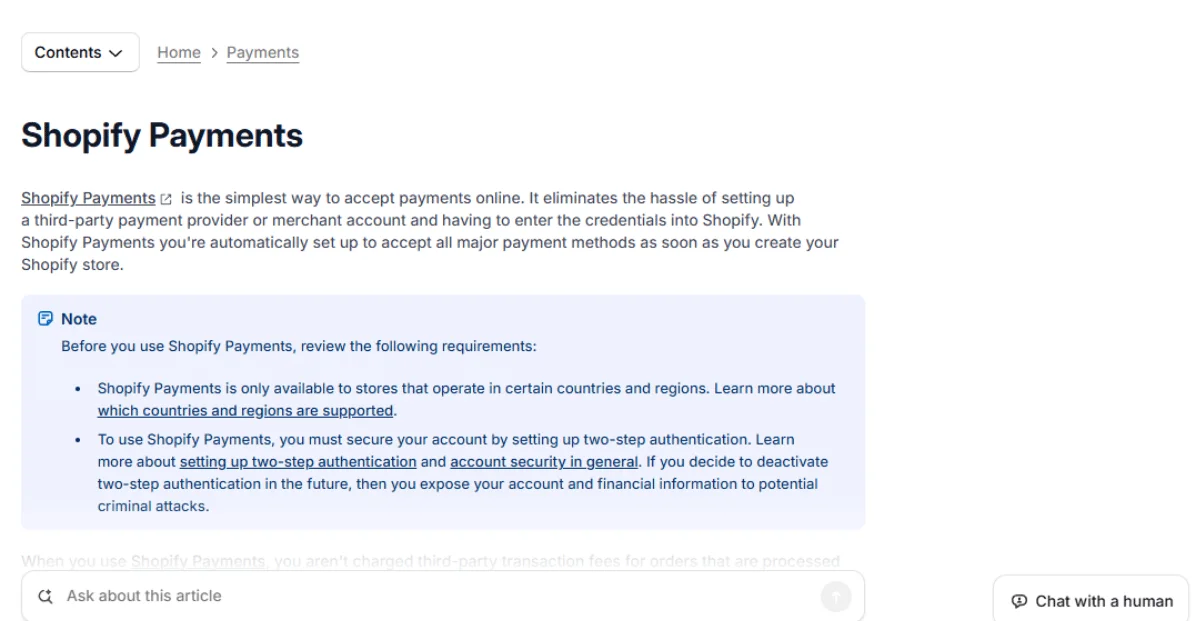
Shopify Payments is the default payment solution for brands running their business on Shopify, and for many US-based D2C founders, it’s the simplest place to start.
It offers:
- Native checkout with support for cards, wallets, and buy-now-pay-later options
- Faster payouts directly into your bank account
- No third-party gateway fees when used within Shopify
- Automatic syncing with Shopify orders and refunds
As a D2C brand, the biggest advantage of Shopify Payments is its reduced friction. All payments, refunds, chargebacks, and sales data live in one place, which simplifies reconciliation and makes it easier to tie revenue back to marketing and inventory decisions. The trade-off is less flexibility than with any standalone gateways, but for many growing brands, simplicity wins early on.
Tax Automation and Compliance Tools
Tax compliance is one of the fastest ways for D2C complexity to spiral out of control, especially as brands expand into new states or countries.
You can use these tools for all your tax needs:
TaxJar

TaxJar automates sales tax calculations, filings, and reporting across thousands of jurisdictions.
It integrates directly with any ecommerce platforms and accounting tools, and helps founders:
- Reduce manual errors.
- Stay compliant as they scale.
- Avoid last-minute tax surprises.
Avalara
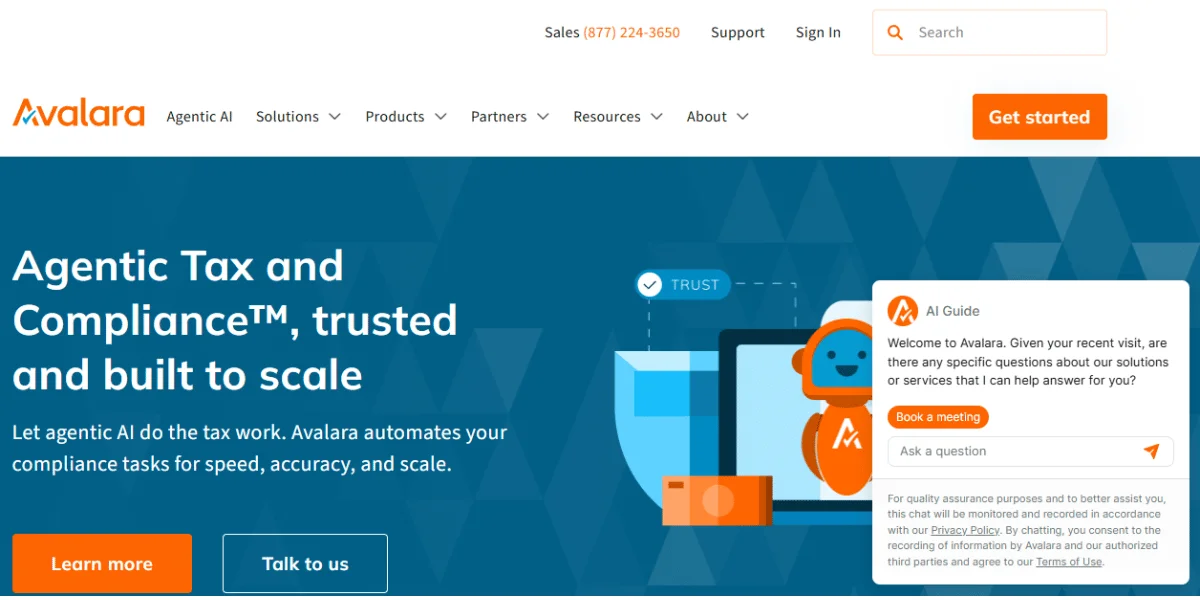
Avalara is more of an enterprise-grade solution.
It is most commonly used by:
- Larger D2C brands
- Businesses that are selling across many jurisdictions
- Brands that have to deal with complex VAT, GST, or some international tax requirements
Avalara offers you a deeper compliance coverage but typically comes with higher costs and implementation complexity.
How to Choose the Right D2C Finance Apps for Your Business
Picking finance apps for your D2C brand isn’t about using whatever’s trending. It’s about finding tools that actually match how your business works today and can grow with you. Here’s how to think about it:
Start with Your Core Finance Questions
Before you look at tools, get clear on what you’re trying to understand.
Most founders don’t struggle because they lack data. They struggle because the data doesn’t answer the questions that matter. Things like why cash drops during high-revenue months, which products are truly profitable after ads and fees, or how much inventory they can safely reorder without stressing cash.
If a finance app doesn’t clearly help answer one of your top questions, it’s probably not worth adding to your stack. Features don’t create clarity. Relevance does.
Match Tools to Your Stage of Growth
What works at $1M in revenue often breaks at $ 10M in revenue.
Early-stage brands usually need simplicity, clean bookkeeping that provides basic cash visibility, and automation that saves time. As you move forward into the growth stage, your focus will shift towards profit analytics, channel performance, and future cash planning. Thereafter, at your higher revenue levels, forecasting, scenario planning, compliance, and investor-ready reporting become essential.
Choosing tools that are either too advanced or too basic for your stage creates friction. The goal is alignment, not over-engineering.
Look for Real Integration; Not Just API Promises
“Integrates with Shopify” can mean different things in different contexts.
Real integration means that your data syncs automatically, consistently, and with enough detail that it is actually useful. Your orders, refunds, fees, payouts, and taxes should flow cleanly into your accounting and reporting tools without manual intervention.
If you’re exporting CSVs every month or reconciling systems by hand, the tool isn’t integrated in any meaningful way. For D2C brands, clean data flow is the foundation of financial clarity.
Think About What “Good Data” Means
Not all data is helpful.
Many finance apps show revenue, but ignore returns, discounts, payment fees, or advertising costs. That might look good on your dashboard, but it doesn’t tell you anything about how much money you’re actually making.
Good data reflects how any D2C business works in the real world. It accounts for all the inventory timing, variable ad spend, subscription revenue, refunds, and platform fees. Most importantly, it helps you understand true contribution margin and cash position, not just top-line sales.
Evaluate Transparency Around Fees and Timing
Pricing matters, but predictability matters even more.
Some tools appear affordable at first glance, but once you start scaling, you may discover extra charges for services like integrations, users, additional channels, or faster data refreshes. Others may just limit certain key features to higher tiers, forcing you to do an upgrade just to be able to access basic insights.
Make sure you fully understand how the pricing changes as your business grows. A good finance tool will always remove uncertainty, not introduce new surprises.
Prioritize Forecasting from Day One
Forecasting isn’t something you add later when things get tight. It’s something that prevents things from getting tight in the first place.
Even a simple cash flow forecast can help you plan inventory purchases, adjust marketing spend, and avoid short-term cash stress. The best finance tools don’t just report what happened, they help you see what’s coming.
If an app is purely backward-looking, it limits your ability to make proactive decisions.
Don’t Forget Compliance and Tax
As soon as you sell across states or countries, compliance gets complicated.
Sales tax, VAT, nexus rules, and filings can quickly become a time sink if your systems aren’t set up properly. Your finance tools should make it easier to track taxable revenue, generate clean reports, and integrate with tax automation platforms.
The cleaner your data, the less painful compliance becomes.
Test for Usability
Demos are polished. Day-to-day use is not.
A good finance app should be easy to navigate, quick to understand, and usable by more than just your accountant. Founders, operators, and marketers should be able to look at the numbers and understand what’s happening without translation.
If a tool requires constant explanation, it’s creating friction instead of clarity.
Think “Multiplier,” Not “Feature Checklist”
It’s easy to get distracted by long feature lists.
The better question is whether the tool multiplies the value of your time. Does it reduce manual work? Does it surface insights quickly? Does it help you make better decisions around cash, inventory, and growth?
The best finance tools feel less like software and more like a quiet, reliable operator in the background.

Frequently Asked Questions (FAQs)
Here are some frequently asked questions by D2C founders while choosing finance apps:
Can D2C Finance Apps Integrate with Shopify and WooCommerce?
Yes. Most D2C finance apps integrate directly with Shopify and WooCommerce to automatically sync orders, refunds, taxes, and payouts. The depth of integration varies, so it’s important to choose tools that match your reporting needs as you scale.
Are D2C Finance Apps Secure for Storing Sensitive Data?
Reputable tools use encryption, access controls, and industry compliance standards like SOC 2 and PCI-DSS. Security issues usually come from poor setup or permissions, not the software itself.
How Do D2C Finance Apps Help with Tax Preparation?
They keep transactions clean, categorize expenses correctly, and track sales tax or VAT across regions. This makes filing easier and gives your accountant accurate, ready-to-use data.
What is the Average Cost of D2C Finance Apps?
Pricing varies based on the type of tool and the complexity of your business. Basic apps focus on automation and reporting, while more advanced platforms support analytics, compliance, and forecasting. The right stack of tools should improve your visibility and decision-making, not just add more software to manage.
Can D2C Finance Apps Handle Subscription Payments?
Yes. Many tools support recurring billing and subscription revenue, but accurate syncing and revenue recognition are critical as subscriptions grow.
Conclusion
Having financial clarity for your D2C business isn’t optional; it’s what you need to stay strong in the market.
The right finance apps do more than just track numbers. They save you time, cut down on guesswork, and turn messy data into insights you can actually act on. From bookkeeping and cash flow to profit analytics, payments, and tax compliance, a well-organized setup gives you a real picture of your business.
But tools alone aren’t enough. That’s where CFO Expertise comes in. With deep ecommerce-first knowledge, we work with your D2C brand as a fractional CFO, helping set up accounting systems that reflect how ecommerce actually works and making sure the numbers are clean, consistent, and usable month after month. That clarity supports better cash flow visibility, hands-on forecasting, growth planning, and exit readiness support.
Over 25 brands trust us to turn financial data into an actionable strategy. If you’re ready to move from reacting to your numbers to planning with confidence, book a consultation today.
